Buy shop-trends.com ?
We are moving the project
shop-trends.com .
Are you interested in purchasing the domain
shop-trends.com ?
domain@kv-gmbh.de · 0541-91531010
Buy shop-trends.com ?
Are watercolors toxic?
Watercolors are generally considered non-toxic, as they are made from pigments, binders, and water. However, some watercolor paints may contain toxic pigments or additives, so it is important to check the label for any warnings or safety information. It is also important to use watercolors in a well-ventilated area and to avoid ingesting or inhaling the paint. Overall, when used properly, watercolors are safe for most people to use. **
What are the best watercolors?
The best watercolors are often artist-grade paints that have high pigment concentration, lightfastness, and a wide range of colors. Some popular brands include Winsor & Newton, Daniel Smith, and Schmincke. These watercolors are known for their vibrant colors, smooth consistency, and ability to blend and layer well. Ultimately, the best watercolors will depend on the artist's personal preferences and painting style. **
Similar search terms for Watercolors
Top-Angebote
Products related to Watercolors:
-
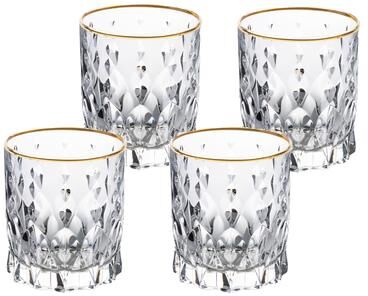
Lorren Home Trends Marilyn Gold Double Old Fashion Tumblers, Set of 4The Marilyn Gold Collection is an upscale and elegant collection featuring an 18K gold rim. A series of oval cuts increase in size as they cascade down the glass. Cuts in the glass reflect the light beautifully, create a stunnig look.49,83 $*Shipping: 0,00 $Secure redirect to the provider
-
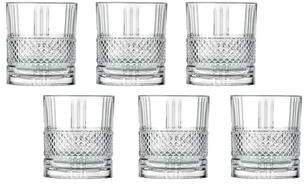
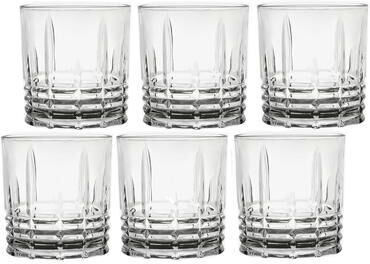
Lorren Home Trends 11 OZ Double Old Fashion Glass, Set of 6Lorren Home Trends Tall 11 Ounce Double Old Fashion Drinking Glass-Textured Cut Glass, Set of 6. Glassware for Drinking Water, Beer, Milk, Juice, Cocktails, Scotch, Bourbon, and Whiskey. Dishwasher safe. Complete set of 6.21,44 $*Shipping: 0,00 $Secure redirect to the provider

-
Do flowers get ruined by watercolors?
Flowers can be ruined by watercolors if the paint is applied too heavily or if the water content is excessive, causing the petals to become soggy and wilted. However, with careful application and a light touch, watercolors can enhance the beauty of flowers by capturing their delicate colors and textures. It is important to use the right techniques and materials to ensure that the flowers are not damaged during the painting process. **
-
How can you make watercolors waterproof?
To make watercolors waterproof, you can use a fixative spray or apply a layer of varnish over the dried watercolor painting. Another option is to mix watercolor with a waterproof medium like acrylic paint or gouache. Additionally, you can use a waterproof pen or marker to outline and define certain areas of the painting to prevent smudging or running when exposed to water. **
-
What are the ingredients of watercolors?
Watercolors typically consist of pigments, binders, and additives. The pigments provide color, the binders hold the pigments together and adhere them to the painting surface, and additives such as preservatives or wetting agents may be included to improve the paint's performance. Water is also a key ingredient in watercolors, as it is used to dilute the paint and create the desired transparency and flow. **
-
Can you use watercolors for makeup?
Watercolors are not safe for use on the skin as makeup. They are not formulated for use on the delicate skin of the face and can contain ingredients that may cause irritation, allergic reactions, or other adverse effects. It is important to use makeup products that are specifically designed and tested for use on the skin to ensure safety and avoid potential harm. Instead of using watercolors, it is best to use makeup products that are labeled as safe for use on the face and skin. **

Are watercolors sufficient for painting skin?
Watercolors can be used to paint skin, but they may not be sufficient on their own for achieving realistic skin tones and textures. Watercolors are transparent and can be difficult to layer and blend to create the subtle variations in skin tone and texture. Additionally, watercolors may not have the opacity and coverage needed to accurately depict the complexities of skin. Many artists prefer to use a combination of watercolors and other mediums, such as colored pencils or pastels, to achieve more realistic and detailed skin tones in their paintings. **
What could I paint with watercolors?
You can paint a wide variety of subjects with watercolors, including landscapes, seascapes, florals, animals, still life, portraits, abstract art, and more. Watercolors are versatile and can be used to create both realistic and abstract paintings. Experimenting with different techniques and styles can help you discover what subjects you enjoy painting with watercolors. **
Top-Angebote
Products related to Watercolors:
-
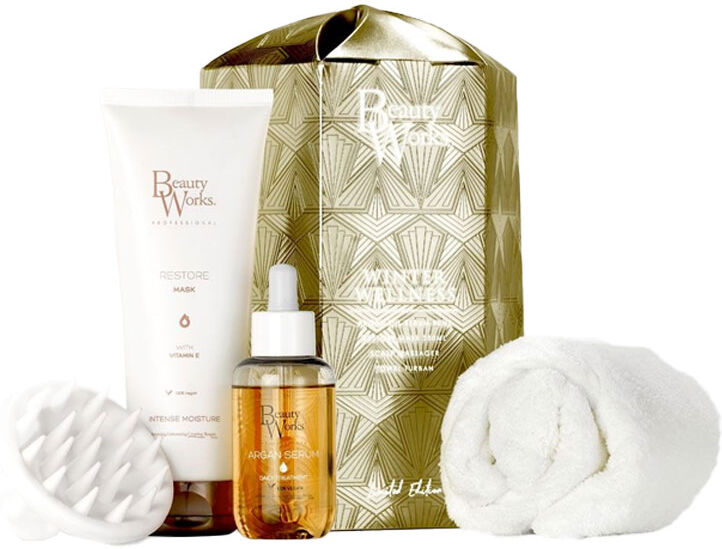
Beauty Works Winter Wellness (Worth £41.98)Restore and revive your hair with the Beauty Works Winter Wellness Gift Set. Featuring Beauty Works Restore Mask, Argan Serum, Towel Turban, and Scalp Massager for ultimate hydration, shine, and relaxation. Perfect for winter hair care! This set includes: Restore Mask 250ml: Revive dry, dehydrated hair in just 10 minutes. This Beauty Works Restore Mask in 250ml is a must have addition to your haircare routine - if you're looking for a fast acting treatment that rejuvenates and hydrates your locks then you've found it! Argan Serum 90ml: A hair oil that will have you coming back for more... Healthy looking and feeling hair in seconds, the Beauty Works Argan Oil Serum 90ml has been specially formulated to rejuvenate your locks whenever you need. Towel Turban Scalp Massager Ingredients Aqua [Water], Cetearyl alcohol, Propylene glycol, Behentrimonium chloride, Cetyl esters, Glyceryl stearate, Paraffin, Amodimethicone, Phenyl trimethicone, Sesamum indicum (Sesame) seed oil, Copernicia cerifera cera [Copernicia cerifera (Carnauba) wax], Glycerin, Parfum [Fragrance], Phenoxyethanol, Euphorbia cerifera cera [Euphorbia cerifera (Candelilla) wax], PEG-40/PPG-8 methylaminopropyl/Hydroxypropyl dimethicone copolymer, Lactic acid, PEG-8, Trideceth-10, Dipropylene glycol, Cetrimonium chloride, Hexyl cinnamal, Hydrolyzed Verbascum Thapsus Flower, Hydrolyzed chestnut extract, Hydrolyzed walnut extract, Linalool, PEG-8/SMDI copolymer, Palmitoyl myristyl serinate, Sodium polyacrylate, Citric acid, Methylchloroisothiazolinone, Methylisothiazolinone, Sodium benzoate, Potassium sorbate Cyclopentasiloxane, Dimethiconol, C13-14 isoparaffin, Alcohol denat., Parfum [Fragrance], Argania spinosa kernel oil, Methyl hydrogenated rosinate, Hexyl cinnamal, Citronellol, CI 47000 [Yellow 11], CI 26100 [Red 17]24,50 £*Shipping: 0,00 £Secure redirect to the provider
-
Lorren Home Trends Marilyn Gold Double Old Fashion Tumblers, Set of 4The Marilyn Gold Collection is an upscale and elegant collection featuring an 18K gold rim. A series of oval cuts increase in size as they cascade down the glass. Cuts in the glass reflect the light beautifully, create a stunnig look.49,83 $*Shipping: 0,00 $Secure redirect to the provider
-
Are watercolors toxic?
Watercolors are generally considered non-toxic, as they are made from pigments, binders, and water. However, some watercolor paints may contain toxic pigments or additives, so it is important to check the label for any warnings or safety information. It is also important to use watercolors in a well-ventilated area and to avoid ingesting or inhaling the paint. Overall, when used properly, watercolors are safe for most people to use. **
-
What are the best watercolors?
The best watercolors are often artist-grade paints that have high pigment concentration, lightfastness, and a wide range of colors. Some popular brands include Winsor & Newton, Daniel Smith, and Schmincke. These watercolors are known for their vibrant colors, smooth consistency, and ability to blend and layer well. Ultimately, the best watercolors will depend on the artist's personal preferences and painting style. **
-
Do flowers get ruined by watercolors?
Flowers can be ruined by watercolors if the paint is applied too heavily or if the water content is excessive, causing the petals to become soggy and wilted. However, with careful application and a light touch, watercolors can enhance the beauty of flowers by capturing their delicate colors and textures. It is important to use the right techniques and materials to ensure that the flowers are not damaged during the painting process. **
-
How can you make watercolors waterproof?
To make watercolors waterproof, you can use a fixative spray or apply a layer of varnish over the dried watercolor painting. Another option is to mix watercolor with a waterproof medium like acrylic paint or gouache. Additionally, you can use a waterproof pen or marker to outline and define certain areas of the painting to prevent smudging or running when exposed to water. **
Similar search terms for Watercolors
-
Lorren Home Trends 11 OZ Double Old Fashion Glass, Set of 6Lorren Home Trends Tall 11 Ounce Double Old Fashion Drinking Glass-Textured Cut Glass, Set of 6. Glassware for Drinking Water, Beer, Milk, Juice, Cocktails, Scotch, Bourbon, and Whiskey. Dishwasher safe. Complete set of 6.21,44 $*Shipping: 0,00 $Secure redirect to the provider
-
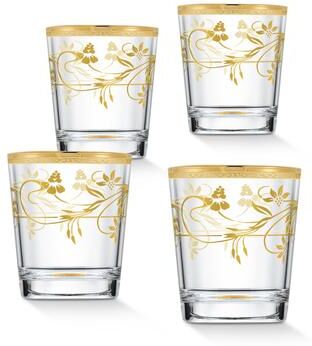
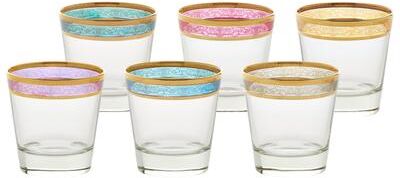
Lorren Home Trends Double Old Fashion Set of 6 Melania Collection MulticolorThis Double Old Fashion glass offers a great way to enjoy a simple or elegant drink. The Melania Collection features a thick band of pastel colors is surrounded by gold rim of intricate box shapes.44,19 $*Shipping: 0,00 $Secure redirect to the provider
-
What are the ingredients of watercolors?
Watercolors typically consist of pigments, binders, and additives. The pigments provide color, the binders hold the pigments together and adhere them to the painting surface, and additives such as preservatives or wetting agents may be included to improve the paint's performance. Water is also a key ingredient in watercolors, as it is used to dilute the paint and create the desired transparency and flow. **
-
Can you use watercolors for makeup?
Watercolors are not safe for use on the skin as makeup. They are not formulated for use on the delicate skin of the face and can contain ingredients that may cause irritation, allergic reactions, or other adverse effects. It is important to use makeup products that are specifically designed and tested for use on the skin to ensure safety and avoid potential harm. Instead of using watercolors, it is best to use makeup products that are labeled as safe for use on the face and skin. **
-
Are watercolors sufficient for painting skin?
Watercolors can be used to paint skin, but they may not be sufficient on their own for achieving realistic skin tones and textures. Watercolors are transparent and can be difficult to layer and blend to create the subtle variations in skin tone and texture. Additionally, watercolors may not have the opacity and coverage needed to accurately depict the complexities of skin. Many artists prefer to use a combination of watercolors and other mediums, such as colored pencils or pastels, to achieve more realistic and detailed skin tones in their paintings. **
-
What could I paint with watercolors?
You can paint a wide variety of subjects with watercolors, including landscapes, seascapes, florals, animals, still life, portraits, abstract art, and more. Watercolors are versatile and can be used to create both realistic and abstract paintings. Experimenting with different techniques and styles can help you discover what subjects you enjoy painting with watercolors. **
* All prices are inclusive of VAT and, if applicable, plus shipping costs. The offer information is based on the details provided by the respective shop and is updated through automated processes. Real-time updates do not occur, so deviations can occur in individual cases. ** Note: Parts of this content were created by AI.