Buy shop-trends.com ?
We are moving the project
shop-trends.com .
Are you interested in purchasing the domain
shop-trends.com ?
domain@kv-gmbh.de · 0541-91531010
Buy shop-trends.com ?
What to do when one discus attacks another discus?
When one discus attacks another discus, it is important to separate them immediately to prevent further harm. You can do this by using a tank divider or by moving one of the discus to a separate tank temporarily. It is also important to observe the behavior of the aggressor discus and try to identify any potential triggers for the aggression, such as territorial disputes or mating behavior. Addressing any underlying issues and providing a stress-free environment can help prevent future attacks. **
Are all catfish discus cleaners?
No, not all catfish are discus cleaners. While some species of catfish, such as the Corydoras catfish, are known for their ability to clean and maintain aquariums by eating algae and leftover food, not all catfish have this behavior. There are many different species of catfish, each with their own unique behaviors and dietary preferences. It's important to research the specific species of catfish to understand their cleaning habits and compatibility with other fish in an aquarium. **


Similar search terms for Discus
Top-Angebote
Products related to Discus:
-
Lorren Home Trends Marilyn Gold Double Old Fashion Tumblers, Set of 4The Marilyn Gold Collection is an upscale and elegant collection featuring an 18K gold rim. A series of oval cuts increase in size as they cascade down the glass. Cuts in the glass reflect the light beautifully, create a stunnig look.49,83 $*Shipping: 0,00 $Secure redirect to the provider



-
What are small discus fish?
Small discus fish are a species of freshwater fish known for their vibrant colors and round, disc-shaped bodies. They are popular among aquarium enthusiasts for their beauty and peaceful nature. Small discus fish are native to the Amazon River basin in South America and require specific water conditions to thrive in captivity. They are social creatures that do best when kept in groups of at least six individuals. **
-
Why doesn't the discus fish eat?
The discus fish may not be eating due to stress, illness, or poor water conditions in its environment. Stress can cause a loss of appetite in fish, and illness can also affect their ability to eat. Additionally, poor water quality can lead to discomfort and decreased appetite in discus fish. It's important to address these potential issues and ensure the fish's environment is suitable for their health and well-being. **
-
What is discus hole-in-the-head disease?
Discus hole-in-the-head disease is a condition that affects discus fish, causing small holes to form on their head and body. It is typically caused by poor water quality, stress, and a diet lacking in essential nutrients. Symptoms may also include loss of appetite, lethargy, and a decrease in overall health. Treatment involves improving water quality, providing a balanced diet, and using medications as prescribed by a veterinarian. **
-
What do you need for a discus tank?
To set up a discus tank, you will need a tank that is at least 50 gallons in size to provide enough space for the discus fish to swim comfortably. It is important to have a heater to maintain the water temperature between 82-86°F, as discus fish are sensitive to temperature changes. A high-quality filtration system is essential to keep the water clean and free of toxins. Additionally, you will need to decorate the tank with plants, driftwood, and rocks to provide hiding spots and create a natural environment for the discus fish. **

What is discus hole in the head disease?
Discus hole in the head disease is a condition that affects discus fish, causing small pits or holes to form on their head and body. It is believed to be caused by poor water quality, improper diet, and stress. The disease can be treated by improving water quality, providing a balanced diet, and reducing stress in the fish. If left untreated, discus hole in the head disease can lead to serious health issues and even death in the affected fish. **
How can one socialize discus fish with suckerfish?
When socializing discus fish with suckerfish, it is important to ensure that both species have enough space to coexist peacefully. Providing plenty of hiding spots and plants in the aquarium can help create separate territories for each fish. Additionally, feeding the fish at different times and ensuring they have access to their preferred foods can help reduce competition and aggression. Monitoring the behavior of both species closely and being prepared to separate them if necessary is also important to maintain a harmonious tank environment. **
Top-Angebote
Products related to Discus:
-
Beauty Works Winter Wellness (Worth £41.98)Restore and revive your hair with the Beauty Works Winter Wellness Gift Set. Featuring Beauty Works Restore Mask, Argan Serum, Towel Turban, and Scalp Massager for ultimate hydration, shine, and relaxation. Perfect for winter hair care! This set includes: Restore Mask 250ml: Revive dry, dehydrated hair in just 10 minutes. This Beauty Works Restore Mask in 250ml is a must have addition to your haircare routine - if you're looking for a fast acting treatment that rejuvenates and hydrates your locks then you've found it! Argan Serum 90ml: A hair oil that will have you coming back for more... Healthy looking and feeling hair in seconds, the Beauty Works Argan Oil Serum 90ml has been specially formulated to rejuvenate your locks whenever you need. Towel Turban Scalp Massager Ingredients Aqua [Water], Cetearyl alcohol, Propylene glycol, Behentrimonium chloride, Cetyl esters, Glyceryl stearate, Paraffin, Amodimethicone, Phenyl trimethicone, Sesamum indicum (Sesame) seed oil, Copernicia cerifera cera [Copernicia cerifera (Carnauba) wax], Glycerin, Parfum [Fragrance], Phenoxyethanol, Euphorbia cerifera cera [Euphorbia cerifera (Candelilla) wax], PEG-40/PPG-8 methylaminopropyl/Hydroxypropyl dimethicone copolymer, Lactic acid, PEG-8, Trideceth-10, Dipropylene glycol, Cetrimonium chloride, Hexyl cinnamal, Hydrolyzed Verbascum Thapsus Flower, Hydrolyzed chestnut extract, Hydrolyzed walnut extract, Linalool, PEG-8/SMDI copolymer, Palmitoyl myristyl serinate, Sodium polyacrylate, Citric acid, Methylchloroisothiazolinone, Methylisothiazolinone, Sodium benzoate, Potassium sorbate Cyclopentasiloxane, Dimethiconol, C13-14 isoparaffin, Alcohol denat., Parfum [Fragrance], Argania spinosa kernel oil, Methyl hydrogenated rosinate, Hexyl cinnamal, Citronellol, CI 47000 [Yellow 11], CI 26100 [Red 17]24,50 £*Shipping: 0,00 £Secure redirect to the provider
-
What to do when one discus attacks another discus?
When one discus attacks another discus, it is important to separate them immediately to prevent further harm. You can do this by using a tank divider or by moving one of the discus to a separate tank temporarily. It is also important to observe the behavior of the aggressor discus and try to identify any potential triggers for the aggression, such as territorial disputes or mating behavior. Addressing any underlying issues and providing a stress-free environment can help prevent future attacks. **
-
Are all catfish discus cleaners?
No, not all catfish are discus cleaners. While some species of catfish, such as the Corydoras catfish, are known for their ability to clean and maintain aquariums by eating algae and leftover food, not all catfish have this behavior. There are many different species of catfish, each with their own unique behaviors and dietary preferences. It's important to research the specific species of catfish to understand their cleaning habits and compatibility with other fish in an aquarium. **
-
What are small discus fish?
Small discus fish are a species of freshwater fish known for their vibrant colors and round, disc-shaped bodies. They are popular among aquarium enthusiasts for their beauty and peaceful nature. Small discus fish are native to the Amazon River basin in South America and require specific water conditions to thrive in captivity. They are social creatures that do best when kept in groups of at least six individuals. **
-
Why doesn't the discus fish eat?
The discus fish may not be eating due to stress, illness, or poor water conditions in its environment. Stress can cause a loss of appetite in fish, and illness can also affect their ability to eat. Additionally, poor water quality can lead to discomfort and decreased appetite in discus fish. It's important to address these potential issues and ensure the fish's environment is suitable for their health and well-being. **
Similar search terms for Discus
-
Lorren Home Trends Marilyn Gold Double Old Fashion Tumblers, Set of 4The Marilyn Gold Collection is an upscale and elegant collection featuring an 18K gold rim. A series of oval cuts increase in size as they cascade down the glass. Cuts in the glass reflect the light beautifully, create a stunnig look.49,83 $*Shipping: 0,00 $Secure redirect to the provider
-
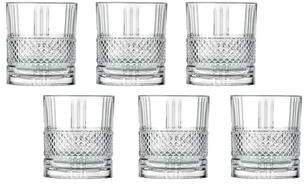
Lorren Home Trends 11 OZ Double Old Fashion Glass, Set of 6Lorren Home Trends Tall 11 Ounce Double Old Fashion Drinking Glass-Textured Cut Glass, Set of 6. Glassware for Drinking Water, Beer, Milk, Juice, Cocktails, Scotch, Bourbon, and Whiskey. Dishwasher safe. Complete set of 6.20,62 $*Shipping: 0,00 $Secure redirect to the provider
-
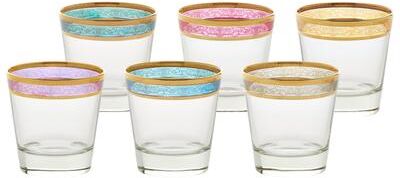
Lorren Home Trends Double Old Fashion Set of 6 Melania Collection MulticolorThis Double Old Fashion glass offers a great way to enjoy a simple or elegant drink. The Melania Collection features a thick band of pastel colors is surrounded by gold rim of intricate box shapes.44,19 $*Shipping: 0,00 $Secure redirect to the provider
-
What is discus hole-in-the-head disease?
Discus hole-in-the-head disease is a condition that affects discus fish, causing small holes to form on their head and body. It is typically caused by poor water quality, stress, and a diet lacking in essential nutrients. Symptoms may also include loss of appetite, lethargy, and a decrease in overall health. Treatment involves improving water quality, providing a balanced diet, and using medications as prescribed by a veterinarian. **
-
What do you need for a discus tank?
To set up a discus tank, you will need a tank that is at least 50 gallons in size to provide enough space for the discus fish to swim comfortably. It is important to have a heater to maintain the water temperature between 82-86°F, as discus fish are sensitive to temperature changes. A high-quality filtration system is essential to keep the water clean and free of toxins. Additionally, you will need to decorate the tank with plants, driftwood, and rocks to provide hiding spots and create a natural environment for the discus fish. **
-
What is discus hole in the head disease?
Discus hole in the head disease is a condition that affects discus fish, causing small pits or holes to form on their head and body. It is believed to be caused by poor water quality, improper diet, and stress. The disease can be treated by improving water quality, providing a balanced diet, and reducing stress in the fish. If left untreated, discus hole in the head disease can lead to serious health issues and even death in the affected fish. **
-
How can one socialize discus fish with suckerfish?
When socializing discus fish with suckerfish, it is important to ensure that both species have enough space to coexist peacefully. Providing plenty of hiding spots and plants in the aquarium can help create separate territories for each fish. Additionally, feeding the fish at different times and ensuring they have access to their preferred foods can help reduce competition and aggression. Monitoring the behavior of both species closely and being prepared to separate them if necessary is also important to maintain a harmonious tank environment. **
* All prices are inclusive of VAT and, if applicable, plus shipping costs. The offer information is based on the details provided by the respective shop and is updated through automated processes. Real-time updates do not occur, so deviations can occur in individual cases. ** Note: Parts of this content were created by AI.