Buy shop-trends.com ?
We are moving the project
shop-trends.com .
Are you interested in purchasing the domain
shop-trends.com ?
domain@kv-gmbh.de · 0541-91531010
Buy shop-trends.com ?
Would the buoyant force increase?
If the object is submerged deeper into the fluid, the buoyant force would increase. This is because the pressure at greater depths is higher, resulting in a greater upward force on the object. Therefore, as the object sinks deeper into the fluid, the buoyant force acting on it would increase. **
Is the tracking line buoyant?
Yes, the tracking line is buoyant. It is designed to float on the surface of the water, making it easier to see and retrieve. This buoyancy helps prevent the line from sinking and getting tangled or caught on underwater obstacles. Additionally, the buoyancy of the tracking line ensures that it remains visible and accessible during water-based activities. **


Similar search terms for Buoyant
Top-Angebote
Products related to Buoyant:
-
Lorren Home Trends Marilyn Gold Double Old Fashion Tumblers, Set of 4The Marilyn Gold Collection is an upscale and elegant collection featuring an 18K gold rim. A series of oval cuts increase in size as they cascade down the glass. Cuts in the glass reflect the light beautifully, create a stunnig look.49,83 $*Shipping: 0,00 $Secure redirect to the provider
-
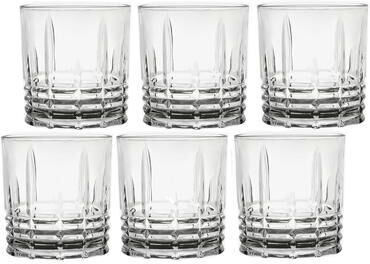
Lorren Home Trends 11 OZ Double Old Fashion Glass, Set of 6Lorren Home Trends Tall 11 Ounce Double Old Fashion Drinking Glass-Textured Cut Glass, Set of 6. Glassware for Drinking Water, Beer, Milk, Juice, Cocktails, Scotch, Bourbon, and Whiskey. Dishwasher safe. Complete set of 6.20,07 $*Shipping: 0,00 $Secure redirect to the provider
-
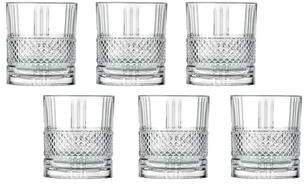
Lorren Home Trends Double Old Fashion Set of 6 Melania Collection MulticolorThis Double Old Fashion glass offers a great way to enjoy a simple or elegant drink. The Melania Collection features a thick band of pastel colors is surrounded by gold rim of intricate box shapes.44,19 $*Shipping: 0,00 $Secure redirect to the provider



-
What is the buoyant force 3?
Buoyant force is the upward force exerted by a fluid on an object immersed in it. It is equal to the weight of the fluid displaced by the object. This force is what allows objects to float in a fluid, as it counteracts the force of gravity pulling the object down. The magnitude of the buoyant force is directly proportional to the density of the fluid and the volume of the fluid displaced. **
-
What is the definition of buoyant density?
Buoyant density refers to the density of a particle or molecule in a solution, measured by its ability to float or sink in that solution. It is commonly used in biochemistry to separate molecules based on their buoyant densities using techniques such as density gradient centrifugation. By determining the buoyant density of molecules, researchers can isolate and purify specific components from a mixture based on their differences in density. **
-
How is buoyant force calculated in physics?
Buoyant force is calculated in physics using Archimedes' principle, which states that the buoyant force acting on an object immersed in a fluid is equal to the weight of the fluid displaced by the object. This means that the buoyant force is equal to the density of the fluid times the volume of the fluid displaced by the object times the acceleration due to gravity. Mathematically, the formula for calculating buoyant force is Fb = ρ * V * g, where Fb is the buoyant force, ρ is the density of the fluid, V is the volume of the fluid displaced, and g is the acceleration due to gravity. **
-
How do I calculate the buoyant force?
To calculate the buoyant force acting on an object submerged in a fluid, you can use Archimedes' principle. The buoyant force is equal to the weight of the fluid displaced by the object. You can calculate the weight of the displaced fluid by multiplying the density of the fluid, the acceleration due to gravity, and the volume of the fluid displaced. This buoyant force acts in the opposite direction to the force of gravity on the object, helping it float or rise in the fluid. **

What is the unit of buoyant force?
The unit of buoyant force is the same as that of force, which is the Newton (N) in the International System of Units (SI). Buoyant force is the upward force exerted by a fluid on an object immersed in it, and it is equal to the weight of the fluid displaced by the object. This force helps objects float in a fluid or rise to the surface when submerged. **
What is a physics buoyant ship container?
A physics buoyant ship container is a container designed to float on water by utilizing the principles of buoyancy. This type of container is typically used for transporting goods by sea and is designed to be buoyant enough to stay afloat even when fully loaded with cargo. The container is carefully engineered to displace enough water to counteract the weight of the cargo, allowing it to float on the surface of the water. This design helps ensure the safe and efficient transportation of goods across bodies of water. **
Top-Angebote
Products related to Buoyant:
-
Beauty Works Winter Wellness (Worth £41.98)Restore and revive your hair with the Beauty Works Winter Wellness Gift Set. Featuring Beauty Works Restore Mask, Argan Serum, Towel Turban, and Scalp Massager for ultimate hydration, shine, and relaxation. Perfect for winter hair care! This set includes: Restore Mask 250ml: Revive dry, dehydrated hair in just 10 minutes. This Beauty Works Restore Mask in 250ml is a must have addition to your haircare routine - if you're looking for a fast acting treatment that rejuvenates and hydrates your locks then you've found it! Argan Serum 90ml: A hair oil that will have you coming back for more... Healthy looking and feeling hair in seconds, the Beauty Works Argan Oil Serum 90ml has been specially formulated to rejuvenate your locks whenever you need. Towel Turban Scalp Massager Ingredients Aqua [Water], Cetearyl alcohol, Propylene glycol, Behentrimonium chloride, Cetyl esters, Glyceryl stearate, Paraffin, Amodimethicone, Phenyl trimethicone, Sesamum indicum (Sesame) seed oil, Copernicia cerifera cera [Copernicia cerifera (Carnauba) wax], Glycerin, Parfum [Fragrance], Phenoxyethanol, Euphorbia cerifera cera [Euphorbia cerifera (Candelilla) wax], PEG-40/PPG-8 methylaminopropyl/Hydroxypropyl dimethicone copolymer, Lactic acid, PEG-8, Trideceth-10, Dipropylene glycol, Cetrimonium chloride, Hexyl cinnamal, Hydrolyzed Verbascum Thapsus Flower, Hydrolyzed chestnut extract, Hydrolyzed walnut extract, Linalool, PEG-8/SMDI copolymer, Palmitoyl myristyl serinate, Sodium polyacrylate, Citric acid, Methylchloroisothiazolinone, Methylisothiazolinone, Sodium benzoate, Potassium sorbate Cyclopentasiloxane, Dimethiconol, C13-14 isoparaffin, Alcohol denat., Parfum [Fragrance], Argania spinosa kernel oil, Methyl hydrogenated rosinate, Hexyl cinnamal, Citronellol, CI 47000 [Yellow 11], CI 26100 [Red 17]24,50 £*Shipping: 0,00 £Secure redirect to the provider
-
Lorren Home Trends Marilyn Gold Double Old Fashion Tumblers, Set of 4The Marilyn Gold Collection is an upscale and elegant collection featuring an 18K gold rim. A series of oval cuts increase in size as they cascade down the glass. Cuts in the glass reflect the light beautifully, create a stunnig look.49,83 $*Shipping: 0,00 $Secure redirect to the provider
-
Would the buoyant force increase?
If the object is submerged deeper into the fluid, the buoyant force would increase. This is because the pressure at greater depths is higher, resulting in a greater upward force on the object. Therefore, as the object sinks deeper into the fluid, the buoyant force acting on it would increase. **
-
Is the tracking line buoyant?
Yes, the tracking line is buoyant. It is designed to float on the surface of the water, making it easier to see and retrieve. This buoyancy helps prevent the line from sinking and getting tangled or caught on underwater obstacles. Additionally, the buoyancy of the tracking line ensures that it remains visible and accessible during water-based activities. **
-
What is the buoyant force 3?
Buoyant force is the upward force exerted by a fluid on an object immersed in it. It is equal to the weight of the fluid displaced by the object. This force is what allows objects to float in a fluid, as it counteracts the force of gravity pulling the object down. The magnitude of the buoyant force is directly proportional to the density of the fluid and the volume of the fluid displaced. **
-
What is the definition of buoyant density?
Buoyant density refers to the density of a particle or molecule in a solution, measured by its ability to float or sink in that solution. It is commonly used in biochemistry to separate molecules based on their buoyant densities using techniques such as density gradient centrifugation. By determining the buoyant density of molecules, researchers can isolate and purify specific components from a mixture based on their differences in density. **
Similar search terms for Buoyant
-
Lorren Home Trends 11 OZ Double Old Fashion Glass, Set of 6Lorren Home Trends Tall 11 Ounce Double Old Fashion Drinking Glass-Textured Cut Glass, Set of 6. Glassware for Drinking Water, Beer, Milk, Juice, Cocktails, Scotch, Bourbon, and Whiskey. Dishwasher safe. Complete set of 6.20,07 $*Shipping: 0,00 $Secure redirect to the provider
-
Lorren Home Trends Double Old Fashion Set of 6 Melania Collection MulticolorThis Double Old Fashion glass offers a great way to enjoy a simple or elegant drink. The Melania Collection features a thick band of pastel colors is surrounded by gold rim of intricate box shapes.44,19 $*Shipping: 0,00 $Secure redirect to the provider
-
How is buoyant force calculated in physics?
Buoyant force is calculated in physics using Archimedes' principle, which states that the buoyant force acting on an object immersed in a fluid is equal to the weight of the fluid displaced by the object. This means that the buoyant force is equal to the density of the fluid times the volume of the fluid displaced by the object times the acceleration due to gravity. Mathematically, the formula for calculating buoyant force is Fb = ρ * V * g, where Fb is the buoyant force, ρ is the density of the fluid, V is the volume of the fluid displaced, and g is the acceleration due to gravity. **
-
How do I calculate the buoyant force?
To calculate the buoyant force acting on an object submerged in a fluid, you can use Archimedes' principle. The buoyant force is equal to the weight of the fluid displaced by the object. You can calculate the weight of the displaced fluid by multiplying the density of the fluid, the acceleration due to gravity, and the volume of the fluid displaced. This buoyant force acts in the opposite direction to the force of gravity on the object, helping it float or rise in the fluid. **
-
What is the unit of buoyant force?
The unit of buoyant force is the same as that of force, which is the Newton (N) in the International System of Units (SI). Buoyant force is the upward force exerted by a fluid on an object immersed in it, and it is equal to the weight of the fluid displaced by the object. This force helps objects float in a fluid or rise to the surface when submerged. **
-
What is a physics buoyant ship container?
A physics buoyant ship container is a container designed to float on water by utilizing the principles of buoyancy. This type of container is typically used for transporting goods by sea and is designed to be buoyant enough to stay afloat even when fully loaded with cargo. The container is carefully engineered to displace enough water to counteract the weight of the cargo, allowing it to float on the surface of the water. This design helps ensure the safe and efficient transportation of goods across bodies of water. **
* All prices are inclusive of VAT and, if applicable, plus shipping costs. The offer information is based on the details provided by the respective shop and is updated through automated processes. Real-time updates do not occur, so deviations can occur in individual cases. ** Note: Parts of this content were created by AI.