Buy shop-trends.com ?
We are moving the project
shop-trends.com .
Are you interested in purchasing the domain
shop-trends.com ?
domain@kv-gmbh.de · 0541-91531010
Buy shop-trends.com ?
How does the German unification in the 19th century differ from the Italian unification?
The German unification in the 19th century was primarily driven by the leadership of Prussia under Otto von Bismarck, who used a combination of diplomacy and warfare to unify the German states. In contrast, the Italian unification was led by several key figures such as Giuseppe Garibaldi and Count Camillo di Cavour, and involved a series of military campaigns and uprisings to unify the Italian states. Additionally, the German unification resulted in the creation of a powerful, centralized German Empire, while the Italian unification led to the establishment of a constitutional monarchy under King Victor Emmanuel II. **
Have the Wars of Unification changed nationalism?
Yes, the Wars of Unification have changed nationalism by promoting a sense of unity and pride among the people of the newly unified nations. These wars helped to solidify the idea of a shared national identity and common goals, leading to a stronger sense of nationalism. Additionally, the victories in these wars often fueled a sense of superiority and exceptionalism among the citizens of the unified nations. Overall, the Wars of Unification played a significant role in shaping and strengthening nationalist sentiments in the countries involved. **


Similar search terms for Unification
Top-Angebote
Products related to Unification:
-
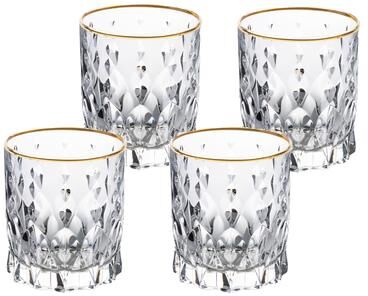
Lorren Home Trends Marilyn Gold Double Old Fashion Tumblers, Set of 4The Marilyn Gold Collection is an upscale and elegant collection featuring an 18K gold rim. A series of oval cuts increase in size as they cascade down the glass. Cuts in the glass reflect the light beautifully, create a stunnig look.49,83 $*Shipping: 0,00 $Secure redirect to the provider
-
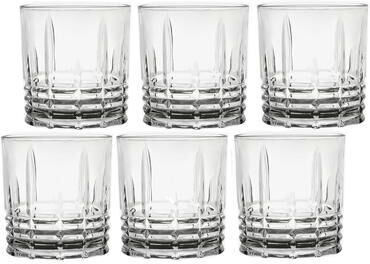
Lorren Home Trends 11 OZ Double Old Fashion Glass, Set of 6Lorren Home Trends Tall 11 Ounce Double Old Fashion Drinking Glass-Textured Cut Glass, Set of 6. Glassware for Drinking Water, Beer, Milk, Juice, Cocktails, Scotch, Bourbon, and Whiskey. Dishwasher safe. Complete set of 6.20,07 $*Shipping: 0,00 $Secure redirect to the provider


-
Did the Wars of Unification change nationalism?
Yes, the Wars of Unification played a significant role in changing nationalism. These wars, such as the Italian and German unifications in the 19th century, helped to strengthen national identities and create unified nations. The victories in these wars fueled a sense of national pride and solidarity among the people, leading to a stronger sense of nationalism. Additionally, the successful unifications demonstrated the power of nationalism as a unifying force in achieving political goals. **
-
What were the consequences of the German unification?
The consequences of German unification were both positive and negative. On the positive side, it led to the creation of a powerful and economically strong nation in the heart of Europe. It also brought about a sense of national identity and pride among the German people. However, the unification also led to tensions with neighboring countries, particularly France, and raised concerns about the balance of power in Europe. Additionally, the process of unification resulted in economic and social challenges, as the former East Germany struggled to catch up with the more prosperous West. **
-
Is the Unification Church a cult or not?
The classification of the Unification Church as a cult is a matter of debate and controversy. Some critics and former members have labeled it as a cult due to its unconventional beliefs, strict hierarchical structure, and the charismatic leadership of its founder, Sun Myung Moon. However, the Unification Church itself rejects the label of cult and instead considers itself a legitimate religious movement. Ultimately, whether the Unification Church is considered a cult or not depends on one's perspective and interpretation of its teachings and practices. **
-
What happened during the German unification in 1871?
During the German unification in 1871, the various independent German states were brought together under the leadership of Prussia. This unification was achieved through a series of wars and diplomatic negotiations, culminating in the proclamation of the German Empire at the Palace of Versailles. Otto von Bismarck, the Chancellor of Prussia, played a key role in orchestrating the unification process. The new German Empire was headed by the King of Prussia, who became the Emperor of Germany, and it marked a significant shift in the balance of power in Europe. **


Was European unification a financial gain for Germany?
European unification has been a financial gain for Germany in many ways. As the largest and most powerful economy in the European Union, Germany has benefited from increased trade and investment opportunities within the EU. The single currency, the Euro, has also made it easier for German businesses to conduct transactions with other European countries. Additionally, EU funding and subsidies have supported infrastructure and development projects in Germany. However, it is important to note that European unification has also brought about financial responsibilities for Germany, such as contributing to the EU budget and providing financial assistance to struggling member states. Overall, while there have been costs associated with European unification, the economic benefits for Germany have been significant. **
What is the definition of the Wars of Unification?
The Wars of Unification refer to a series of conflicts and military campaigns that took place in the 19th century with the goal of unifying separate states or regions into a single nation. These wars typically involved a dominant power seeking to bring together smaller states or territories under its control through conquest or diplomacy. Examples of Wars of Unification include the unification of Italy led by figures like Giuseppe Garibaldi and Count Cavour, as well as the unification of Germany under the leadership of Otto von Bismarck. **
Top-Angebote
Products related to Unification:
-
Beauty Works Winter Wellness (Worth £41.98)Restore and revive your hair with the Beauty Works Winter Wellness Gift Set. Featuring Beauty Works Restore Mask, Argan Serum, Towel Turban, and Scalp Massager for ultimate hydration, shine, and relaxation. Perfect for winter hair care! This set includes: Restore Mask 250ml: Revive dry, dehydrated hair in just 10 minutes. This Beauty Works Restore Mask in 250ml is a must have addition to your haircare routine - if you're looking for a fast acting treatment that rejuvenates and hydrates your locks then you've found it! Argan Serum 90ml: A hair oil that will have you coming back for more... Healthy looking and feeling hair in seconds, the Beauty Works Argan Oil Serum 90ml has been specially formulated to rejuvenate your locks whenever you need. Towel Turban Scalp Massager Ingredients Aqua [Water], Cetearyl alcohol, Propylene glycol, Behentrimonium chloride, Cetyl esters, Glyceryl stearate, Paraffin, Amodimethicone, Phenyl trimethicone, Sesamum indicum (Sesame) seed oil, Copernicia cerifera cera [Copernicia cerifera (Carnauba) wax], Glycerin, Parfum [Fragrance], Phenoxyethanol, Euphorbia cerifera cera [Euphorbia cerifera (Candelilla) wax], PEG-40/PPG-8 methylaminopropyl/Hydroxypropyl dimethicone copolymer, Lactic acid, PEG-8, Trideceth-10, Dipropylene glycol, Cetrimonium chloride, Hexyl cinnamal, Hydrolyzed Verbascum Thapsus Flower, Hydrolyzed chestnut extract, Hydrolyzed walnut extract, Linalool, PEG-8/SMDI copolymer, Palmitoyl myristyl serinate, Sodium polyacrylate, Citric acid, Methylchloroisothiazolinone, Methylisothiazolinone, Sodium benzoate, Potassium sorbate Cyclopentasiloxane, Dimethiconol, C13-14 isoparaffin, Alcohol denat., Parfum [Fragrance], Argania spinosa kernel oil, Methyl hydrogenated rosinate, Hexyl cinnamal, Citronellol, CI 47000 [Yellow 11], CI 26100 [Red 17]24,50 £*Shipping: 0,00 £Secure redirect to the provider
-
Lorren Home Trends Marilyn Gold Double Old Fashion Tumblers, Set of 4The Marilyn Gold Collection is an upscale and elegant collection featuring an 18K gold rim. A series of oval cuts increase in size as they cascade down the glass. Cuts in the glass reflect the light beautifully, create a stunnig look.49,83 $*Shipping: 0,00 $Secure redirect to the provider
-
How does the German unification in the 19th century differ from the Italian unification?
The German unification in the 19th century was primarily driven by the leadership of Prussia under Otto von Bismarck, who used a combination of diplomacy and warfare to unify the German states. In contrast, the Italian unification was led by several key figures such as Giuseppe Garibaldi and Count Camillo di Cavour, and involved a series of military campaigns and uprisings to unify the Italian states. Additionally, the German unification resulted in the creation of a powerful, centralized German Empire, while the Italian unification led to the establishment of a constitutional monarchy under King Victor Emmanuel II. **
-
Have the Wars of Unification changed nationalism?
Yes, the Wars of Unification have changed nationalism by promoting a sense of unity and pride among the people of the newly unified nations. These wars helped to solidify the idea of a shared national identity and common goals, leading to a stronger sense of nationalism. Additionally, the victories in these wars often fueled a sense of superiority and exceptionalism among the citizens of the unified nations. Overall, the Wars of Unification played a significant role in shaping and strengthening nationalist sentiments in the countries involved. **
-
Did the Wars of Unification change nationalism?
Yes, the Wars of Unification played a significant role in changing nationalism. These wars, such as the Italian and German unifications in the 19th century, helped to strengthen national identities and create unified nations. The victories in these wars fueled a sense of national pride and solidarity among the people, leading to a stronger sense of nationalism. Additionally, the successful unifications demonstrated the power of nationalism as a unifying force in achieving political goals. **
-
What were the consequences of the German unification?
The consequences of German unification were both positive and negative. On the positive side, it led to the creation of a powerful and economically strong nation in the heart of Europe. It also brought about a sense of national identity and pride among the German people. However, the unification also led to tensions with neighboring countries, particularly France, and raised concerns about the balance of power in Europe. Additionally, the process of unification resulted in economic and social challenges, as the former East Germany struggled to catch up with the more prosperous West. **
Similar search terms for Unification
-
Lorren Home Trends 11 OZ Double Old Fashion Glass, Set of 6Lorren Home Trends Tall 11 Ounce Double Old Fashion Drinking Glass-Textured Cut Glass, Set of 6. Glassware for Drinking Water, Beer, Milk, Juice, Cocktails, Scotch, Bourbon, and Whiskey. Dishwasher safe. Complete set of 6.20,07 $*Shipping: 0,00 $Secure redirect to the provider
-
Lorren Home Trends Double Old Fashion Set of 6 Melania Collection MulticolorThis Double Old Fashion glass offers a great way to enjoy a simple or elegant drink. The Melania Collection features a thick band of pastel colors is surrounded by gold rim of intricate box shapes.44,19 $*Shipping: 0,00 $Secure redirect to the provider
-
Is the Unification Church a cult or not?
The classification of the Unification Church as a cult is a matter of debate and controversy. Some critics and former members have labeled it as a cult due to its unconventional beliefs, strict hierarchical structure, and the charismatic leadership of its founder, Sun Myung Moon. However, the Unification Church itself rejects the label of cult and instead considers itself a legitimate religious movement. Ultimately, whether the Unification Church is considered a cult or not depends on one's perspective and interpretation of its teachings and practices. **
-
What happened during the German unification in 1871?
During the German unification in 1871, the various independent German states were brought together under the leadership of Prussia. This unification was achieved through a series of wars and diplomatic negotiations, culminating in the proclamation of the German Empire at the Palace of Versailles. Otto von Bismarck, the Chancellor of Prussia, played a key role in orchestrating the unification process. The new German Empire was headed by the King of Prussia, who became the Emperor of Germany, and it marked a significant shift in the balance of power in Europe. **
-
Was European unification a financial gain for Germany?
European unification has been a financial gain for Germany in many ways. As the largest and most powerful economy in the European Union, Germany has benefited from increased trade and investment opportunities within the EU. The single currency, the Euro, has also made it easier for German businesses to conduct transactions with other European countries. Additionally, EU funding and subsidies have supported infrastructure and development projects in Germany. However, it is important to note that European unification has also brought about financial responsibilities for Germany, such as contributing to the EU budget and providing financial assistance to struggling member states. Overall, while there have been costs associated with European unification, the economic benefits for Germany have been significant. **
-
What is the definition of the Wars of Unification?
The Wars of Unification refer to a series of conflicts and military campaigns that took place in the 19th century with the goal of unifying separate states or regions into a single nation. These wars typically involved a dominant power seeking to bring together smaller states or territories under its control through conquest or diplomacy. Examples of Wars of Unification include the unification of Italy led by figures like Giuseppe Garibaldi and Count Cavour, as well as the unification of Germany under the leadership of Otto von Bismarck. **
* All prices are inclusive of VAT and, if applicable, plus shipping costs. The offer information is based on the details provided by the respective shop and is updated through automated processes. Real-time updates do not occur, so deviations can occur in individual cases. ** Note: Parts of this content were created by AI.