Buy shop-trends.com ?
We are moving the project
shop-trends.com .
Are you interested in purchasing the domain
shop-trends.com ?
domain@kv-gmbh.de · 0541-91531010
Buy shop-trends.com ?
What ideas are there for bottom-dwelling fish?
Bottom-dwelling fish, such as catfish and flounder, have specific needs and requirements for their environment. Some ideas for bottom-dwelling fish include providing them with a substrate that mimics their natural habitat, such as sand or gravel, to allow them to exhibit natural behaviors like burrowing or sifting through the substrate for food. Additionally, providing hiding spots and caves in the aquarium can help these fish feel secure and reduce stress. It's also important to ensure that the tank has good water flow and filtration to maintain a clean and oxygenated environment for bottom-dwelling fish. **
Which bottom-dwelling fish show interesting behavior in a 54-liter tank?
Bottom-dwelling fish such as corydoras catfish, kuhli loaches, and dwarf cichlids show interesting behavior in a 54-liter tank. Corydoras catfish are known for their playful and social behavior, often seen darting around the tank and interacting with each other. Kuhli loaches are known for their burrowing behavior and can often be seen digging in the substrate. Dwarf cichlids are known for their territorial behavior and can display interesting courtship and breeding behaviors in a 54-liter tank. **


Similar search terms for Bottom-dwelling
Top-Angebote
Products related to Bottom-dwelling:
-
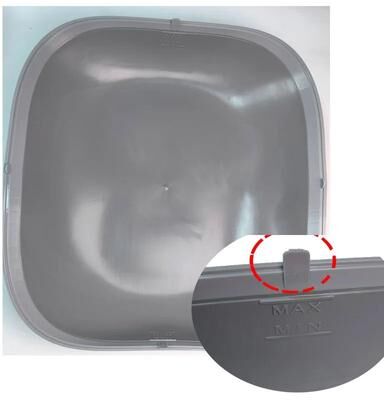
Uplifted Finds TONEPIE Automatic Cat Litter Box Structural Replacement Accessories bottom BracketKeep your premium automated selfcleaning system operating at factorygrade performance with these official TONEPIE replacement accessories. Meticulously engineered to restore a flawless structural layout, optimal airpressure filtration, and perfect...211,97 $*Shipping: 0,00 $Secure redirect to the provider
-
Uplift Treasures TONEPIE Automatic Cat Litter Box Replacement Accessories new Bottom BracketProduct Description: Maintain the performance and cleanliness of your automatic litter system with these TONEPIE cat litter box replacement accessories. Designed for compatible TONEPIE automatic litter boxes, these essential replacement parts help...92,97 $*Shipping: 0,00 $Secure redirect to the provider
-
Uplift Treasures Automatic Cat Litter Box Waste Bin Accessories Set bottom BracketProduct Description: Maintain a cleaner and more efficient selfcleaning litter box with this Automatic Cat Litter Box Waste Bin Accessories Set. Designed to help collect and contain waste securely, it includes essential replacement parts such as the...117,97 $*Shipping: 0,00 $Secure redirect to the provider


-
How many bottom-dwelling fish can I still add to my 180-liter aquarium?
The number of bottom-dwelling fish you can add to your 180-liter aquarium depends on the specific species of fish and their adult size. As a general guideline, you can add approximately 1 inch of fish per gallon of water, but this can vary based on the specific needs and behaviors of the fish. It's important to consider the territorial nature of bottom-dwelling fish and ensure that there is enough space and hiding spots for each fish to establish their territory. Additionally, be mindful of the compatibility of different species and their potential impact on water quality. It's best to research the specific needs of the bottom-dwelling fish you are interested in adding and consult with a knowledgeable aquarium specialist for personalized advice. **
-
Is this a shell-dwelling cichlid?
Without a specific image or description of the fish in question, it is difficult to determine if it is a shell-dwelling cichlid. Shell-dwelling cichlids are a group of cichlids that are known for living in and around shells in their natural habitat. They are typically small in size and have a unique behavior of using shells for protection and breeding. If the fish in question exhibits these characteristics, it is likely a shell-dwelling cichlid. However, without more information, it is hard to make a definitive determination. **
-
What is a tree-dwelling tarantula?
A tree-dwelling tarantula is a type of tarantula that lives primarily in trees or other elevated areas, as opposed to ground-dwelling tarantulas that live on the forest floor. These tarantulas have adapted to life in the trees by developing strong, hook-like claws on their legs to help them grip onto branches and navigate their arboreal environment. They often build silk-lined burrows in tree hollows or create webbed retreats among the leaves. Tree-dwelling tarantulas are found in tropical and subtropical regions around the world and are known for their striking appearance and impressive size. **
-
What is the largest land-dwelling vertebrate?
The largest land-dwelling vertebrate is the African bush elephant (Loxodonta africana). These majestic creatures can weigh up to 12,000 pounds and stand over 13 feet tall at the shoulder. They are known for their large ears, long tusks, and trunk, which they use for various tasks such as communication, gathering food, and drinking water. African bush elephants are herbivores and can be found in various habitats across sub-Saharan Africa. **

What kind of soil-dwelling creature is this?
This is a picture of an earthworm, a common soil-dwelling creature. Earthworms are important for soil health as they help to aerate the soil, improve drainage, and break down organic matter. They are also a food source for many other animals and play a crucial role in nutrient cycling in ecosystems. **
How could land-dwelling mammals evolve into whales?
Land-dwelling mammals could have evolved into whales through a process called evolution by natural selection. This process involves gradual changes in the genetic makeup of a population over time, leading to the development of new traits and adaptations. In the case of whales, it is believed that their ancestors were land-dwelling mammals that gradually adapted to life in the water. Over millions of years, these mammals developed traits such as streamlined bodies, webbed feet, and a blowhole for breathing, allowing them to become fully aquatic and eventually evolve into the whales we know today. This process of evolution is driven by environmental pressures and the survival and reproduction of individuals with advantageous traits. **
Top-Angebote
Products related to Bottom-dwelling:
-
Penguin/Corgi Catherine Cookson Collection 8 Books Set (My Beloved Son, The Dwelling Place, The Rag Maid, Kate Hannigan, A Sister's Obsession, The Smuggler's SecretCatherine Cookson Collection 8 Books Set: The Fifteen Streets: Life on the Fifteen Streets is tough - a continual struggle for survival. Born into an ever-expanding family, John O'Brien grew up with nothing to call his own. The Dwelling Place: When fifteen-year-old Cissie Brodie loses her parents to cholera, she is forced out of the family cottage and left to raise her nine brothers and sisters by herself. My Beloved Son: When Ellen Jebeau’s husband dies in 1926, he leaves behind a legacy of debt and empty dreams. However, Ellen is determined that her son Joseph should have everything in life. A Sister's Obsession: Rosie finds it hard to cope with her eldest sister's over-possessive nature. Since the death of their mother Beatrice has been insufferably dominating, taking over the running of the house. Kate Hannigan: Dr Rodney Prince has never seen a girl look more out of place in the grime of the Fifteen Streets than Kate Hannigan. Her beauty and intelligence far outshine that of his hard, brittle, calculating wife. Daughter of Scandal: In Heap Hollow cottage in County Durham live what appears to be a close and loving family. But across the happy façade lies a shadow that has lengthened and darkened with the passing years. The Rag Maid: When Millie's mother abandons her one late afternoon in 1854, fate brings the seven-year-old to Aggie's door - and life will never be the same for either of them. The Smuggler’s Secret: Born into grinding poverty, young Freddie Musgrave relies on his wits to survive and help feed his family. He earns a few shillings by navigating his little boat across the swift-flowing waters of the Tyne.19,99 £*Shipping: 2,99 £Secure redirect to the provider
-
Beauty Works Winter Wellness (Worth £41.98)Restore and revive your hair with the Beauty Works Winter Wellness Gift Set. Featuring Beauty Works Restore Mask, Argan Serum, Towel Turban, and Scalp Massager for ultimate hydration, shine, and relaxation. Perfect for winter hair care! This set includes: Restore Mask 250ml: Revive dry, dehydrated hair in just 10 minutes. This Beauty Works Restore Mask in 250ml is a must have addition to your haircare routine - if you're looking for a fast acting treatment that rejuvenates and hydrates your locks then you've found it! Argan Serum 90ml: A hair oil that will have you coming back for more... Healthy looking and feeling hair in seconds, the Beauty Works Argan Oil Serum 90ml has been specially formulated to rejuvenate your locks whenever you need. Towel Turban Scalp Massager Ingredients Aqua [Water], Cetearyl alcohol, Propylene glycol, Behentrimonium chloride, Cetyl esters, Glyceryl stearate, Paraffin, Amodimethicone, Phenyl trimethicone, Sesamum indicum (Sesame) seed oil, Copernicia cerifera cera [Copernicia cerifera (Carnauba) wax], Glycerin, Parfum [Fragrance], Phenoxyethanol, Euphorbia cerifera cera [Euphorbia cerifera (Candelilla) wax], PEG-40/PPG-8 methylaminopropyl/Hydroxypropyl dimethicone copolymer, Lactic acid, PEG-8, Trideceth-10, Dipropylene glycol, Cetrimonium chloride, Hexyl cinnamal, Hydrolyzed Verbascum Thapsus Flower, Hydrolyzed chestnut extract, Hydrolyzed walnut extract, Linalool, PEG-8/SMDI copolymer, Palmitoyl myristyl serinate, Sodium polyacrylate, Citric acid, Methylchloroisothiazolinone, Methylisothiazolinone, Sodium benzoate, Potassium sorbate Cyclopentasiloxane, Dimethiconol, C13-14 isoparaffin, Alcohol denat., Parfum [Fragrance], Argania spinosa kernel oil, Methyl hydrogenated rosinate, Hexyl cinnamal, Citronellol, CI 47000 [Yellow 11], CI 26100 [Red 17]24,50 £*Shipping: 0,00 £Secure redirect to the provider
-
Uplifted Finds TONEPIE Automatic Cat Litter Box Structural Replacement Accessories bottom BracketKeep your premium automated selfcleaning system operating at factorygrade performance with these official TONEPIE replacement accessories. Meticulously engineered to restore a flawless structural layout, optimal airpressure filtration, and perfect...211,97 $*Shipping: 0,00 $Secure redirect to the provider
-
What ideas are there for bottom-dwelling fish?
Bottom-dwelling fish, such as catfish and flounder, have specific needs and requirements for their environment. Some ideas for bottom-dwelling fish include providing them with a substrate that mimics their natural habitat, such as sand or gravel, to allow them to exhibit natural behaviors like burrowing or sifting through the substrate for food. Additionally, providing hiding spots and caves in the aquarium can help these fish feel secure and reduce stress. It's also important to ensure that the tank has good water flow and filtration to maintain a clean and oxygenated environment for bottom-dwelling fish. **
-
Which bottom-dwelling fish show interesting behavior in a 54-liter tank?
Bottom-dwelling fish such as corydoras catfish, kuhli loaches, and dwarf cichlids show interesting behavior in a 54-liter tank. Corydoras catfish are known for their playful and social behavior, often seen darting around the tank and interacting with each other. Kuhli loaches are known for their burrowing behavior and can often be seen digging in the substrate. Dwarf cichlids are known for their territorial behavior and can display interesting courtship and breeding behaviors in a 54-liter tank. **
-
How many bottom-dwelling fish can I still add to my 180-liter aquarium?
The number of bottom-dwelling fish you can add to your 180-liter aquarium depends on the specific species of fish and their adult size. As a general guideline, you can add approximately 1 inch of fish per gallon of water, but this can vary based on the specific needs and behaviors of the fish. It's important to consider the territorial nature of bottom-dwelling fish and ensure that there is enough space and hiding spots for each fish to establish their territory. Additionally, be mindful of the compatibility of different species and their potential impact on water quality. It's best to research the specific needs of the bottom-dwelling fish you are interested in adding and consult with a knowledgeable aquarium specialist for personalized advice. **
-
Is this a shell-dwelling cichlid?
Without a specific image or description of the fish in question, it is difficult to determine if it is a shell-dwelling cichlid. Shell-dwelling cichlids are a group of cichlids that are known for living in and around shells in their natural habitat. They are typically small in size and have a unique behavior of using shells for protection and breeding. If the fish in question exhibits these characteristics, it is likely a shell-dwelling cichlid. However, without more information, it is hard to make a definitive determination. **
Similar search terms for Bottom-dwelling
-
Uplift Treasures TONEPIE Automatic Cat Litter Box Replacement Accessories new Bottom BracketProduct Description: Maintain the performance and cleanliness of your automatic litter system with these TONEPIE cat litter box replacement accessories. Designed for compatible TONEPIE automatic litter boxes, these essential replacement parts help...92,97 $*Shipping: 0,00 $Secure redirect to the provider
-
Uplift Treasures Automatic Cat Litter Box Waste Bin Accessories Set bottom BracketProduct Description: Maintain a cleaner and more efficient selfcleaning litter box with this Automatic Cat Litter Box Waste Bin Accessories Set. Designed to help collect and contain waste securely, it includes essential replacement parts such as the...117,97 $*Shipping: 0,00 $Secure redirect to the provider
-
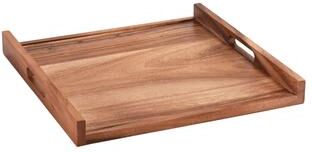
Kalmar Home "15"" Square Serving Tray - Solid Bottom"Kalmar Home's large Square Acacia Wood Serving Tray - a stylish and functional way to serve and showcase culinary creations, display decorative items or use as a stunning centerpiece on a table or kitchen island.53,50 $*Shipping: 0,00 $Secure redirect to the provider
-
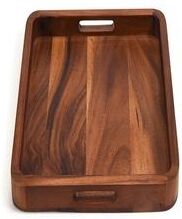
Kalmar Home Medium Rectangular Serving Tray - Solid BottomKalmar Home's small Rectangular Acacia Wood Serving Tray - a stylish and functional way to serve and showcase culinary creations, display decorative items or use as a stunning centerpiece on a table or kitchen island.43,49 $*Shipping: 0,00 $Secure redirect to the provider
-
What is a tree-dwelling tarantula?
A tree-dwelling tarantula is a type of tarantula that lives primarily in trees or other elevated areas, as opposed to ground-dwelling tarantulas that live on the forest floor. These tarantulas have adapted to life in the trees by developing strong, hook-like claws on their legs to help them grip onto branches and navigate their arboreal environment. They often build silk-lined burrows in tree hollows or create webbed retreats among the leaves. Tree-dwelling tarantulas are found in tropical and subtropical regions around the world and are known for their striking appearance and impressive size. **
-
What is the largest land-dwelling vertebrate?
The largest land-dwelling vertebrate is the African bush elephant (Loxodonta africana). These majestic creatures can weigh up to 12,000 pounds and stand over 13 feet tall at the shoulder. They are known for their large ears, long tusks, and trunk, which they use for various tasks such as communication, gathering food, and drinking water. African bush elephants are herbivores and can be found in various habitats across sub-Saharan Africa. **
-
What kind of soil-dwelling creature is this?
This is a picture of an earthworm, a common soil-dwelling creature. Earthworms are important for soil health as they help to aerate the soil, improve drainage, and break down organic matter. They are also a food source for many other animals and play a crucial role in nutrient cycling in ecosystems. **
-
How could land-dwelling mammals evolve into whales?
Land-dwelling mammals could have evolved into whales through a process called evolution by natural selection. This process involves gradual changes in the genetic makeup of a population over time, leading to the development of new traits and adaptations. In the case of whales, it is believed that their ancestors were land-dwelling mammals that gradually adapted to life in the water. Over millions of years, these mammals developed traits such as streamlined bodies, webbed feet, and a blowhole for breathing, allowing them to become fully aquatic and eventually evolve into the whales we know today. This process of evolution is driven by environmental pressures and the survival and reproduction of individuals with advantageous traits. **
* All prices are inclusive of VAT and, if applicable, plus shipping costs. The offer information is based on the details provided by the respective shop and is updated through automated processes. Real-time updates do not occur, so deviations can occur in individual cases. ** Note: Parts of this content were created by AI.